

Table of Contents
- What Makes Religious Apparel Durable
- How to Tell if a T-Shirt is Good Quality
- Best Fabric for Graphic Tees
- Screen Print Quality on Shirts: What to Inspect
- How to Wash Screen-Printed Shirts to Preserve Your Design
- Comparing Value: Price vs. Longevity
- Finding Faith-Based Apparel That Works for Your Style
- Frequently Asked Questions
Last Updated: October 11, 2026
What Makes Religious Apparel Durable
Durable religious apparel rests on three fundamentals: quality fabric, solid construction, and print methods that survive repeated washing.
A shirt with weak stitching falls apart. Thin fabric pills and tears. Poor screen printing cracks after a handful of washes, all results of cutting corners during production.
You can inspect apparel in a store or online photos and catch most durability problems before you buy.
How to Tell if a T-Shirt is Good Quality
A quality t-shirt reveals itself through fabric weight, seam construction, and how it feels in your hands. A two-minute inspection catches most durability problems before you buy.
The Pre-Purchase Inspection Checklist
Use this checklist whether you're shopping in-store or evaluating product photos online:
Fabric Assessment
- Feel the shirt's weight. Quality tees have substance and don't feel papery.
- Check fabric weight (oz/yd²). Quality tees are 5.5-6.5 oz/yd²; under 5.0 oz/yd² stretches out of shape.
- Look for a 50/50 cotton-polyester blend for better shape retention and durability than pure cotton.
- Search for "ring-spun" cotton, which creates stronger yarn that outlasts cheaper alternatives by years.
Seam and Stitching Inspection
- Run your fingers along seams. Quality stitching is tight, even, and flat. Loose or uneven stitching signals poor production.
- Look for double-needle stitching on collar, armholes, cuffs, and hem to reinforce high-stress areas.
- Count stitches per inch if visible: 7-9 is standard for quality apparel.
- Check collar and armhole construction. Folded, reinforced collars and armholes last longer and prevent tears.
Visual Red Flags
- Look for pilling or fuzz on the fabric surface, indicating low-quality yarn or thin fabric.
- Check for loose threads, holes, or manufacturing defects.
- Inspect the hem. A folded, double-stitched hem lasts longer than a single-fold hem.
Check the Fabric Weight and Composition
Fabric weight is measured in ounces per square yard (oz/yd²). Tees under 5.0 oz/yd² are lightweight and prone to stretching out of shape. Quality everyday tees land between 5.5 and 6.5 oz/yd². Heavier weights (7.0 oz/yd² and up) feel more durable but can be stiff until washed.
Look at the fiber blend too. Pure cotton is classic, but 100% cotton can shrink unpredictably. A 50/50 cotton-polyester blend (like the fabric composition standards used in apparel manufacturing) offers better shape retention and durability. Cotton blends resist pilling better than pure cotton and maintain color longer.
Check the label or product description for "ring-spun" cotton, this process twists fibers more tightly, creating a softer, stronger yarn. Ring-spun tees cost more upfront but outlast cheaper alternatives by years.
Inspect Seams and Stitching
Run your fingers along the seams. Quality stitching is tight, even, and sits flat against the fabric. Loose or uneven stitching signals corners cut in production. Look for double-needle stitching on the collar, armholes, cuffs, and hem, this reinforces high-stress areas and prevents seams from splitting.
Count the stitches per inch if you can see clearly. Seven to nine stitches per inch is standard for quality apparel. Fewer stitches mean the seam will separate faster under tension. More stitches create stronger seams but can pucker thin fabrics.
Check the collar construction. A folded, reinforced collar lasts longer than a single-layer collar. The same applies to armholes, reinforced construction prevents tears near the shoulder seams.
Best Fabric for Graphic Tees
Graphic tees demand denser fabric because thinner materials allow ink to crack and peel.
For graphic tees, 6.0 oz/yd² is the minimum threshold. Anything lighter risks print failure within 20-30 washes. A 6.5 oz/yd² weight is ideal, heavy enough to anchor the print, light enough to feel comfortable. The American Apparel & Footwear Association guidelines note that print durability depends heavily on both fabric density and ink application method.
Cotton-polyester blends outperform pure cotton for graphic tees because polyester resists shrinkage, preventing print cracking. A 50/50 blend is standard in quality graphic tees.
Air-jet spun yarn creates smoother, stronger yarn with less pilling, so tees look newer longer after frequent washing.
Screen Print Quality on Shirts: What to Inspect
Quality screen printing produces sharp, durable designs; poor screen printing cracks, fades, and peels.
Evaluate Print Durability Before You Buy
Inspect the print surface closely. It should feel smooth and slightly raised, not thick or crusty. Thick, uneven coverage suggests too much ink or poor-quality ink, causing cracking.
Look for sharp edges where the design meets the blank fabric. Blurry or fuzzy edges indicate misalignment or inconsistent ink penetration, signaling earlier cracking.
Check for consistent ink coverage. Light spots or thin areas will fade and crack first.
Quality screen printing bonds ink to the fibers; poor printing sits on top like a sticker. If the print looks plasticky or feels stiff, it will crack when the shirt stretches.
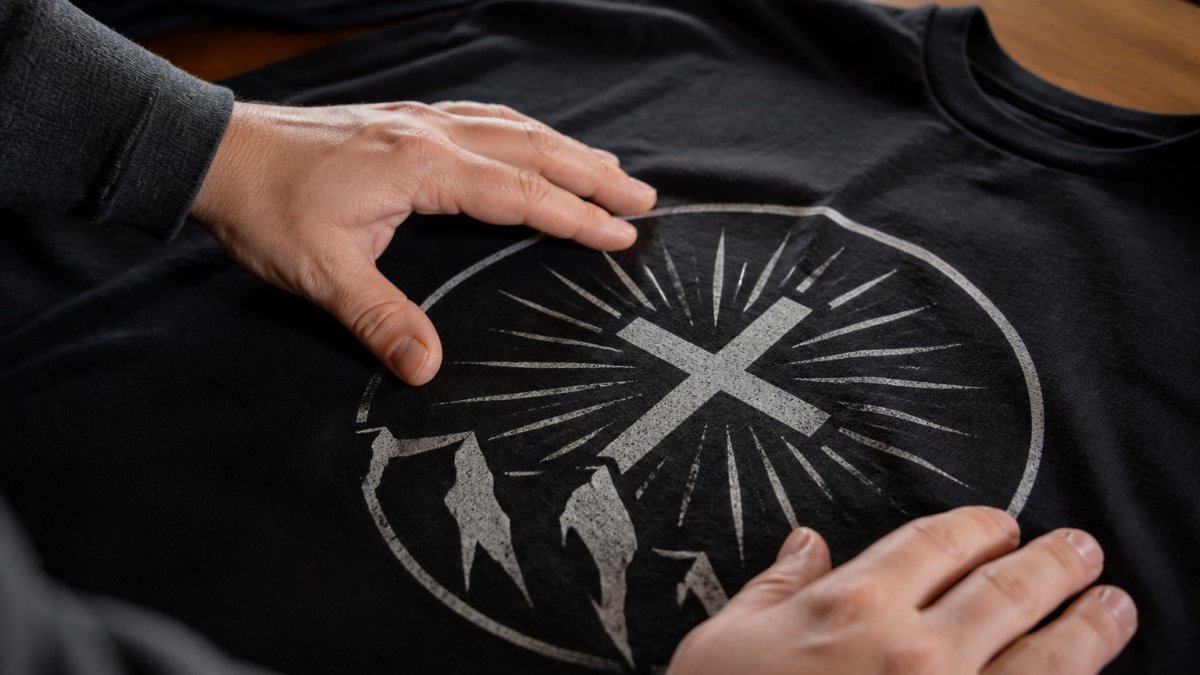
Ask about ink type. Water-based inks fade faster; plastisol inks are more durable. High-quality printers use plastisol for faith-based apparel because durability matters most.
How to Wash Screen-Printed Shirts to Preserve Your Design
Proper care extends print life by years. Turn the shirt inside out before washing to protect the printed side. Wash in cold water; hot water breaks down ink bonds. Use gentle or delicate cycles to minimize agitation.
Use mild detergent without bleach or optical brighteners. Skip fabric softener, which coats fibers and causes cracking as the fabric flexes.
Dry on low heat or air dry. If using a dryer, remove the shirt while slightly damp and lay it flat to finish. Never fold a screen-printed shirt while hot.
For the first five washes, wash separately or with like colors to prevent dye bleeding. After five washes, the print is stable.
Comparing Value: Price vs. Longevity
Price alone doesn't predict durability. A $15 shirt lasting one year costs more per wear than a $45 shirt lasting four years.
How Durability Factors Drive Price Differences
Quality apparel costs more because better materials and construction methods cost more to produce. Here's where your money goes:
Fabric Quality and Weight Heavier fabric lasts significantly longer, justifying higher upfront cost. Ring-spun cotton costs more but creates stronger, softer garments that resist pilling.
Construction Methods Double-needle stitching costs more but produces substantially stronger seams that resist splitting. A hoodie with double-needle stitching will outlast a single-needle hoodie by years.
Print Methods High-quality screen printing uses better inks, consistent coverage, and proper curing to produce prints surviving 50+ washes. Budget printers cut corners, resulting in prints cracking or fading after 10-20 washes.
Calculate True Cost Per Wear
Track the cost per wear to compare value across different price points:
- A $30 tee worn 75 times = $0.40 per wear
- A $15 tee worn 20 times = $0.75 per wear
- A $60 hoodie worn 150 times = $0.40 per wear
- A $25 hoodie worn 40 times = $0.63 per wear
Quality apparel wins on value when you plan to wear it regularly. If you wear a piece fewer than 20 times, price matters more than durability. If you wear a piece 50+ times, durability matters more than upfront cost.
Red Flags for Overpriced Apparel
Not all expensive apparel is durable. Watch for these warning signs:
- Designer branding without construction quality. A $70 tee with thin fabric (under 5.0 oz/yd²) and single-needle stitching is overpriced. The price reflects the brand name, not durability.
- Vague product descriptions. If a product listing doesn't specify fabric weight, fiber blend, or stitching method, the manufacturer is likely hiding poor construction.
- Inconsistent sizing. If reviews mention that sizes run small, large, or inconsistently, the manufacturer may be using multiple suppliers with different quality standards. Inconsistent sizing often correlates with inconsistent construction quality.
- No care instructions or durability claims. Manufacturers confident in durability provide detailed washing guidance and often guarantee print longevity. Absence of these signals suggests the product may not hold up well.
Budget-Friendly Durability Strategy
You don't need to spend $60 on every piece. A practical approach:
- Invest in basics. Quality plain tees and hoodies are worn frequently and justify higher upfront cost. Aim for 5.5+ oz/yd² fabric weight and double-needle stitching.
- Accept lower durability for trendy designs. If you're buying a graphic tee with a design you might tire of in a year, a lower-priced option ($15-$25) is reasonable. You're not expecting it to last five years.
- Buy seasonal pieces strategically. Winter hoodies get worn 100+ times. Summer tees get worn 50+ times. Invest in durability where wear is heaviest.
- Check return policies. If you can't inspect a shirt in-store, buy from retailers with generous return windows. This lets you assess durability after one or two washes before committing to keeping the piece.
Track Durability Over Time
After you buy, monitor how your apparel holds up:
- After 5 washes: Does the print still look sharp? Is the fabric still soft, or has it become stiff or pilled?
- After 15 washes: Are seams still tight, or are they starting to fray? Has the color faded noticeably?
- After 30 washes: Is the print cracking or peeling? Are armholes or collar seams showing signs of wear?
If a piece fails these milestones, note the brand and construction details. Use that information to avoid similar purchases in the future. If a piece passes these milestones, you've found a reliable option worth buying again.
Finding Faith-Based Apparel That Works for Your Style
Durable apparel is only valuable if you wear it. Subtle designs pair with more outfits than bold graphics. A small embroidered cross works at the office, casually, and at church; large graphics are more statement-making.
Black and navy hide wear and fading better than lighter colors. Light colors show stains and yellowing faster.
Fit affects how often you wear something. A well-fitting shirt gets worn regularly. Check size guides carefully to ensure pieces fit your frame.
Layering pieces like hoodies and sweatshirts extend the life of your apparel collection. A quality hoodie worn over different shirts creates multiple outfits.

Think about seasonality. Summer tees get heavy rotation. Winter hoodies get worn constantly. Invest in durability where you'll wear pieces most. A quality summer tee worth $30 gets worn 50+ times.
Finding durable religious apparel means inspecting fabric weight, seam construction, and print quality before you buy. Proper washing extends the life of your pieces significantly. Quality apparel costs more upfront but outlasts cheaper alternatives by years, making it the smarter investment.
| Durability Factor | What to Check | Why It Matters |
|---|---|---|
| Fabric Weight | 5.5-6.5 oz/yd² for tees; 7.0+ oz/yd² for hoodies | Heavier fabric resists pilling, stretching, and tearing |
| Fiber Blend | 50/50 cotton-polyester preferred | Resists shrinkage and maintains shape better than pure cotton |
| Seam Construction | Double-needle stitching on collar, armholes, cuffs, hem | Reinforced seams prevent splitting under tension |
| Screen Print | Smooth, raised surface with sharp edges | Even ink coverage and proper bonding prevent cracking and fading |
| Wash Care | Cold water, inside-out, low heat drying | Proper care extends print life by years |
Frequently Asked Questions
How can you tell if a T-shirt is made to last?
Check the fabric weight (aim for at least 5.3 ounces per square yard for t-shirts), examine the seams for tight, consistent stitching, and look for reinforced stress points at the collar and armholes. High-quality religious apparel uses double-needle stitching on critical areas. Read the fiber content: 100% cotton or cotton-blend fabrics (like 50/50 cotton-polyester) typically outlast thin, lightweight options. Verify the garment is pre-shrunk to prevent unexpected size changes after washing.
What fabric is best for durable Christian shirts?
Cotton and cotton-blend fabrics are ideal for durable religious apparel. 100% cotton offers breathability and comfort but requires careful washing. A 50/50 cotton-polyester blend balances durability, comfort, and easier care. Look for ring-spun or air-jet spun yarn, which creates softer, stronger fibers. Fabric weight matters: 5.3-6.0 ounces per square yard is standard for t-shirts. Pre-shrunk fabric prevents shrinkage and maintains sizing through repeated washing.
How do you know if a screen-printed shirt is good quality?
Inspect the print for even ink coverage with no gaps or thin spots. Run your finger over the design: quality screen printing feels smooth and flexible, not stiff or cracked. Check for sharp, clean edges without ink bleeding into surrounding fabric. Avoid prints that feel plasticky or overly thick. Examine the back of the shirt; quality printing should not show excessive ink seepage.
How should you wash Christian graphic tees to keep the design from fading?
Turn screen-printed shirts inside-out before washing to protect the design. Use cold water and a gentle or delicate cycle. Wash with similar colors to prevent dye transfer. Avoid bleach and fabric softeners, which degrade ink and fabric fibers. Air-dry whenever possible; high heat from the dryer fades prints and weakens fabric. If you must use a dryer, use low heat. Wash less frequently by spot-cleaning stains.